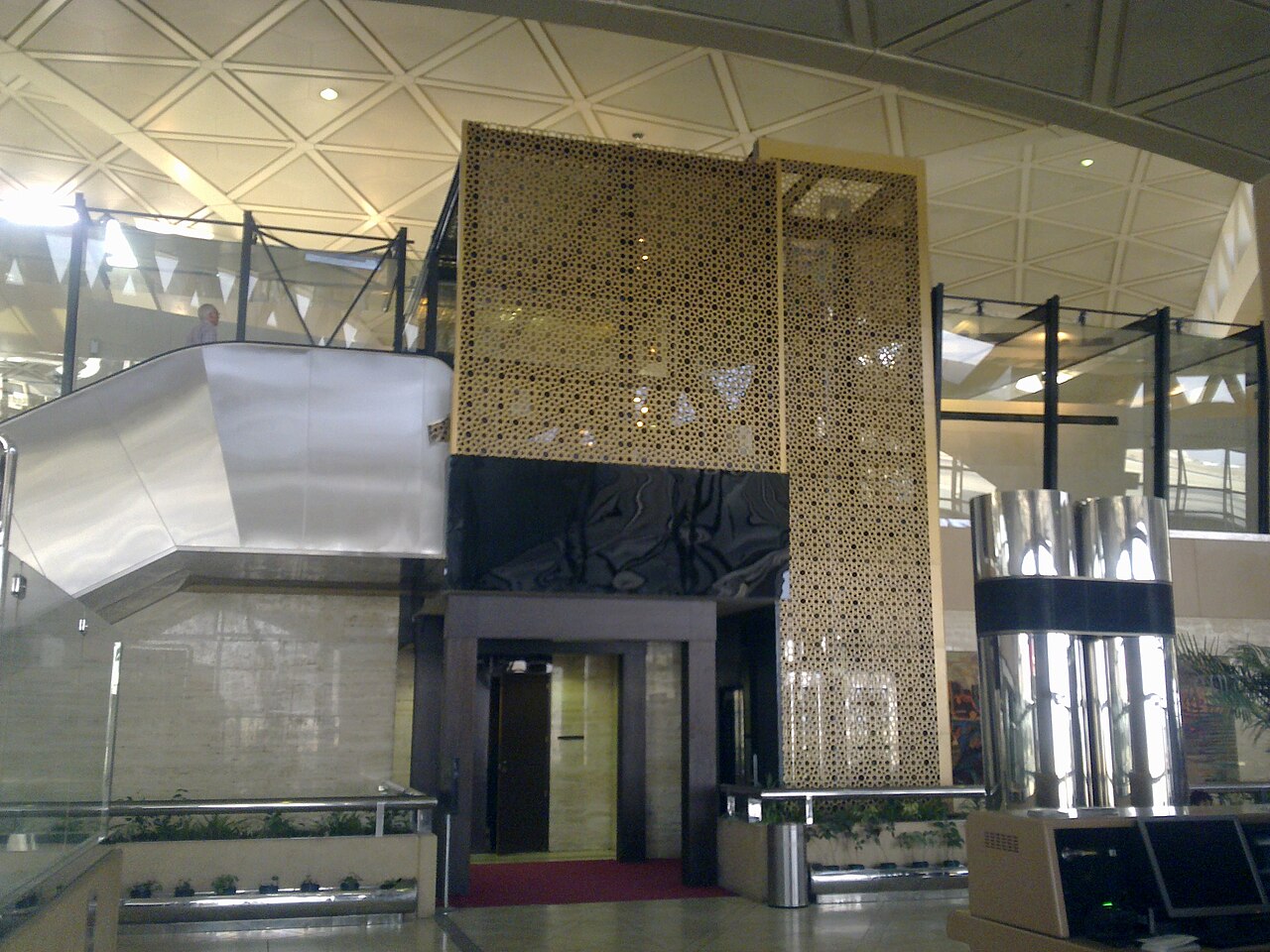
A missile strike hit the passenger terminal of the international airport in Riyadh, Saudi Arabia's capital, early on Sunday, October 11, 2026, killing 12 people and injuring more than 300 others, according to Saudi civil aviation authorities. Some of the injured are reported to be in critical condition.
What happened
The projectile struck the passenger terminal in the early hours of Sunday. Civil aviation authorities confirmed the casualties but had not, in the initial statements, detailed the extent of damage to airport infrastructure or how long flight operations would be disrupted.
Who is blamed
Several reports attributed the strike to Yemen's Houthi rebels, amid sharply rising regional tensions. An Al Jazeera live blog on the developing situation reported that the United States was weighing joining the fight against the Houthis, while a senior Iranian military commander was quoted saying Iranian forces would continue striking vessels in the Strait of Hormuz "if necessary". No single claim of responsibility had been independently confirmed at the time of publication.
Why it matters
The strike marks one of the deadliest attacks on Saudi civilian infrastructure in recent years and threatens to widen a regional confrontation already straining shipping lanes, energy markets and civilian air travel. Airports and energy facilities across the Gulf are on heightened alert.
What remains uncertain
The full casualty breakdown, the precise type of weapon used, the extent of damage to the terminal, and the timeline for resuming normal flight operations are still emerging. The question of direct responsibility — and of how the United States and Saudi Arabia respond — will shape the coming days.
What happens next
Watch for official Saudi statements on retaliation or air-defence measures, any confirmed claim of responsibility, updates on airport operations, and signals from Washington on whether the US deepens its military involvement against the Houthis.